Understanding Engine Idle and Reset Procedures
Engine idle issues often stem from the Keep Alive Memory (KAM) retaining old data, requiring a reset after battery disconnection or replacement for optimal performance.
What Causes an Engine to Idle Incorrectly?
Several factors can disrupt a smooth engine idle. A primary cause is the Engine Control Unit (ECU) retaining outdated information within the Keep Alive Memory (KAM) – essentially, the car “remembering” old settings after a battery disconnect. This leads to a prolonged period of incorrect idling, often around 60 RPM, until the ECU relearns.
Furthermore, issues with the Throttle Position Sensor (TPS) can contribute, particularly in Nissan vehicles where a specific disconnect procedure is required for proper idle relearn. A failing TPS sends inaccurate data to the ECU. Other potential culprits include vacuum leaks, dirty throttle bodies, or problems with the Idle Air Control (IAC) valve (if equipped). Ultimately, a proper diagnostic approach, potentially involving a scan tool, is crucial for pinpointing the root cause and restoring a stable idle.
The Role of the Keep Alive Memory (KAM)
The Keep Alive Memory (KAM) is a small, battery-backed memory within the vehicle’s ECU. Its function is to store essential settings like idle speed, radio presets, and other learned values, even when the engine is off or the battery is disconnected. However, this memory can become problematic.
After a battery replacement or prolonged disconnection, the KAM retains the pre-existing data, which may no longer be accurate for the current vehicle conditions. This results in an incorrect idle speed, often requiring a “relearn” procedure. Resetting the KAM allows the ECU to establish a new baseline, adapting to current parameters. Ignoring this step can lead to persistent idling issues until the system naturally relearns – a process that can take considerable time and mileage.
Symptoms of a Low or Erratic Idle
A low or erratic idle manifests in several noticeable ways, signaling a potential need for a reset procedure. Common symptoms include the engine struggling to maintain a consistent RPM when at a standstill, often dipping close to stalling or fluctuating wildly. You might experience rough idling, feeling vibrations through the vehicle.
The engine may take longer than usual to start, or even stall immediately after starting. A noticeable delay in response when applying the throttle is another indicator. If the idle remains stubbornly at 60 RPM for an extended period after a battery disconnect, it strongly suggests the KAM hasn’t properly reset and relearned.

Resetting the Idle: General Approaches
Initial reset steps commonly involve disconnecting the vehicle’s battery, allowing the KAM to clear and enabling the engine control unit to relearn idle parameters.
Disconnecting the Battery: A Common First Step
Disconnecting the negative battery terminal is frequently the initial action taken when addressing an erratic idle, as it forces a reset of the vehicle’s Keep Alive Memory (KAM). This memory stores learned values, including idle settings, and can retain incorrect data after a battery replacement or prolonged disconnection.
Simply disconnecting the battery doesn’t guarantee an immediate fix; the KAM needs sufficient time to fully discharge. While some sources suggest 15-30 seconds, allowing a longer duration—even up to several minutes—can ensure a complete memory wipe. Reconnecting the battery then prompts the engine control unit (ECU) to begin relearning the correct idle speed and other parameters based on current operating conditions.
However, be aware that disconnecting the battery will also reset other electronic systems, such as the radio presets and potentially the power windows, requiring subsequent re-initialization.
Duration of Battery Disconnection for KAM Reset
Determining the optimal battery disconnection time for a KAM reset is crucial for successful idle relearning. While a quick disconnect might seem sufficient, a longer duration ensures complete discharge of the KAM’s memory. Recommendations vary, with some suggesting a minimum of 15 minutes, while others advocate for 30 seconds as a starting point, followed by additional steps.
The effectiveness depends on the vehicle’s specific system; Nissan vehicles, notoriously sensitive to idle settings, often benefit from a more extended disconnection. Insufficient time may leave residual data, causing the engine to revert to the previous, incorrect idle speed.
Ultimately, erring on the side of caution and allowing a longer disconnection period—up to 30 minutes—can improve the chances of a successful KAM reset and a smooth idle relearn process.
Nissan Specific Idle Relearn Procedure
Nissan vehicles present a unique idle relearn challenge, often requiring a specific procedure beyond simple battery disconnection. A key step involves disconnecting the Throttle Position Sensor (TPS) while the engine is running for approximately two seconds. This seemingly unusual action forces the Engine Control Unit (ECU) to relearn the throttle’s baseline position.
Following the TPS disconnect, reconnect it and allow the engine to idle. Nissan’s system is known for initially settling at around 60 RPM until the KAM fully relearns.
This process, combined with holding the engine at 3,000 RPM until the radiator fan activates or coolant reaches 90°C, and then idling for at least five minutes, is vital for a stable idle.
The TPS Disconnect Method
The Throttle Position Sensor (TPS) disconnect method is a cornerstone of Nissan idle relearn procedures, despite its seemingly counterintuitive nature. Disconnecting the TPS while the engine is running interrupts the ECU’s normal throttle input, forcing it to recalibrate upon reconnection.
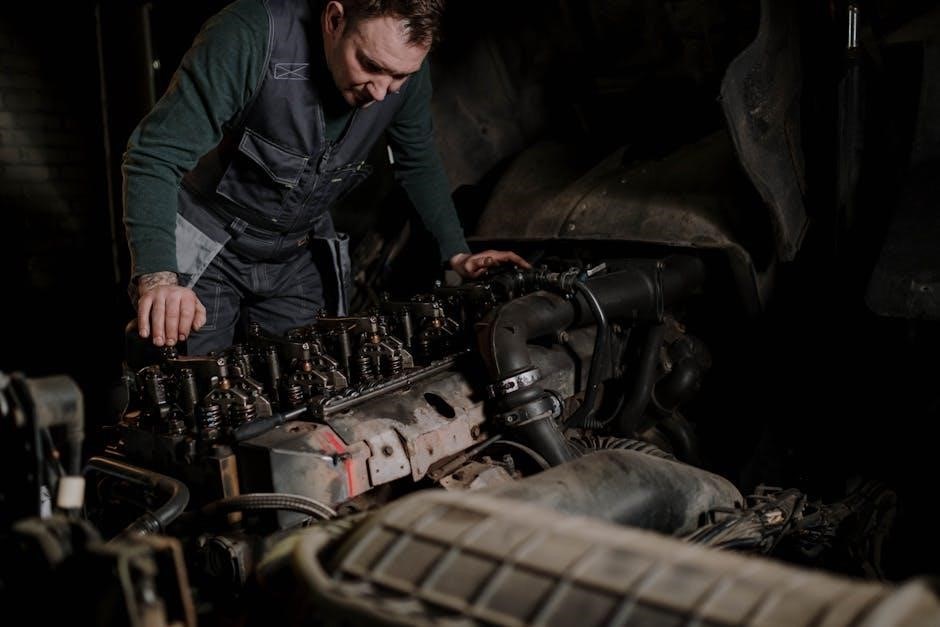
This process isn’t about fixing a faulty TPS; it’s a deliberate step to clear the ECU’s learned values and allow it to establish a new baseline. The disconnection should be brief – around two seconds – to avoid triggering diagnostic trouble codes.
After reconnecting, the engine will likely idle erratically before stabilizing as the ECU relearns the correct throttle position. This method is crucial for resolving idle issues after battery disconnection or replacement on many Nissan models.

Toyota/Camry Idle Relearn Procedure
Toyota and Camry idle relearn involves key-on procedures without starting, battery disconnection, and subsequent reconnection, allowing the ECU to re-establish idle parameters.
Initial Key-On Procedure (Without Starting)
Begin the Toyota/Camry idle relearn by turning the ignition key to the “ON” position, but crucially, do not start the engine. This initial step prepares the vehicle’s electronic control unit (ECU) for the relearn process. Allow the system to cycle through its self-diagnostic checks; you won’t hear the engine running, but various systems are initializing.
This “key-on, engine-off” phase is vital as it allows the ECU to establish a baseline state before any driving or engine operation occurs. It’s a preparatory stage, ensuring the subsequent steps are accurately registered and interpreted by the vehicle’s computer. Following this, proceed to the battery disconnection phase as outlined in the complete procedure for a successful idle relearn.
Battery Disconnection and Reconnection Steps
To effectively reset the KAM, disconnect the negative terminal of the vehicle’s battery. A disconnection duration of 15 to 30 seconds is generally recommended, allowing sufficient time for the KAM to fully discharge and lose its stored settings. This clears the previously learned idle parameters, preparing the ECU for a fresh calibration.
After the designated time, securely reconnect the negative battery terminal. Ensure a clean and tight connection to prevent any electrical issues. Following reconnection, the ECU will revert to its default settings, requiring the subsequent idle relearn procedure to establish a stable and accurate idle speed. This step is fundamental for resolving idle irregularities after battery work.
Idle Stabilization After Battery Reset
Post-battery reset, the engine will initially exhibit a low or erratic idle, often around 60 RPM, as the ECU relearns optimal parameters. To stabilize the idle, avoid immediate driving and allow the vehicle to idle for a minimum of five minutes without any load (Park or Neutral).
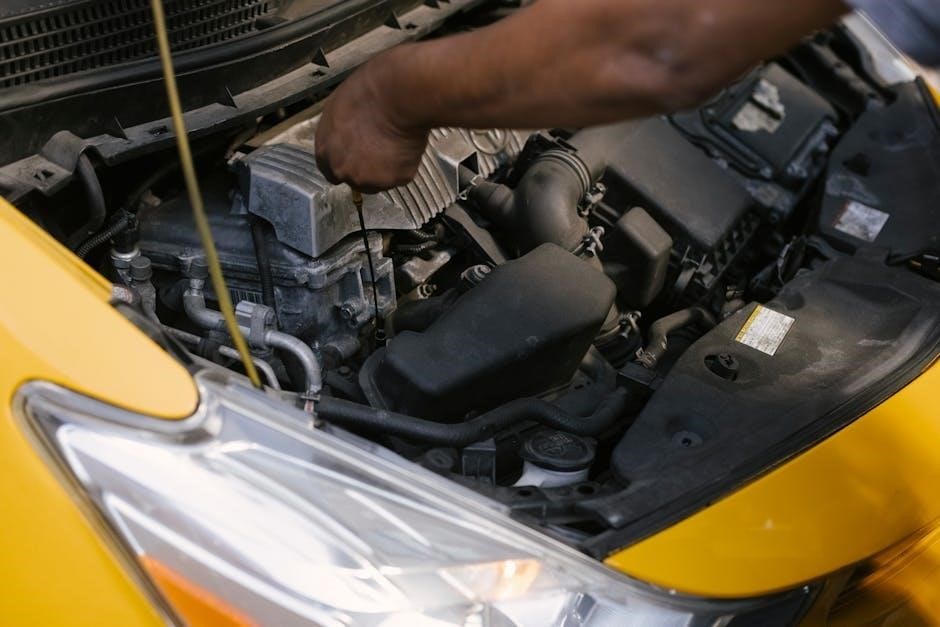
During this period, the ECU monitors various sensors to establish a new baseline. Further stabilization can be achieved by briefly activating the A/C for one minute. Following the idle period, multiple gentle rev cycles can aid the learning process. For some vehicles, a calibration reset via a scan tool, followed by a 50-100 km drive, is recommended for complete stabilization.
Advanced Idle Reset Techniques
More complex resets involve activating the cooling fan at 3,000 RPM, or utilizing scan tool calibration, and subsequent driving to finalize the learning process.
Raising RPMs to Activate Cooling Fan
A crucial advanced technique involves elevating engine RPMs to approximately 3,000 while the vehicle is in Park or Neutral. This process is designed to trigger the radiator cooling fan to engage, or alternatively, to bring the engine coolant temperature up to around 90°C (194°F). The activation of the cooling fan serves as a key indicator that the engine has reached a sufficient operating temperature for the idle relearn procedure to commence effectively.
It’s important to maintain this elevated RPM for a sustained period, ensuring the fan cycles on, signifying the system is ready for the next stage of the reset. This method helps the engine control unit (ECU) establish a new baseline for idle speed and fuel mixture.
Maintaining Idle for a Specified Duration
Following the activation of the cooling fan, or reaching 90°C coolant temperature, it’s essential to allow the engine to idle for a minimum of five minutes without any load. This extended idling period allows the engine control unit (ECU) to gather crucial data and refine the idle speed settings based on the current operating conditions.
During this time, refrain from using any accessories or placing demands on the engine. This undisturbed idle phase is critical for the ECU to accurately learn and adapt to the new parameters, establishing a stable and consistent idle speed. Patience during this step is key to a successful reset.
Using Scan Tool Calibration Reset
For a more precise idle reset, utilizing a scan tool with calibration capabilities is highly recommended. Access the engine tab within the scan tool’s interface and locate the idle calibration or reset function. Initiate the calibration process, allowing the tool to directly communicate with the ECU and guide it through the relearn procedure.
After completing the scan tool calibration, a crucial step involves a test drive. Drive the vehicle for approximately 50 to 100 kilometers (30 to 60 miles) under varied driving conditions to allow the ECU to fully adapt and optimize the idle speed for real-world scenarios.
Driving After Calibration: Distance Recommendations
Post-calibration, a sufficient driving distance is paramount for the engine control unit (ECU) to accurately learn and stabilize the idle speed. A recommended range falls between 50 to 100 kilometers (roughly 30 to 60 miles), encompassing diverse driving styles and conditions. This allows the ECU to gather comprehensive data regarding engine load, temperature, and throttle input.

Avoid abrupt acceleration or prolonged periods of constant speed during this learning phase. Instead, opt for a mix of city and highway driving, simulating typical usage patterns. Consistent monitoring of the idle speed after the recommended distance will confirm successful calibration and a smooth, stable engine operation.
Temperature Considerations During Reset
Optimal engine temperature for idle reset is between 60-90°C (140-194°F), though procedures can be attempted on a cold engine, potentially taking longer.
Optimal Engine Temperature Range (60-90°C)
Achieving the correct engine temperature is crucial for a successful idle relearn procedure. The ideal range falls between 60 and 90 degrees Celsius (140-194 degrees Fahrenheit). Within this spectrum, the engine control unit (ECU) can most accurately learn and adapt to the current operating conditions.
Starting the reset with a warmer engine generally expedites the process. If the engine is already at operating temperature from recent driving, the time required for the radiator fan to activate – a common indicator – will be significantly reduced. Conversely, initiating the reset on a cold engine may extend the duration, potentially taking around 20 minutes for the fan to engage.
Maintaining this temperature range ensures the ECU receives consistent and reliable data, leading to a more stable and accurate idle speed.
Performing Reset on a Cold Engine
While an optimally warm engine speeds up the idle relearn, a cold start isn’t detrimental, though it demands patience. If initiating the reset with a cold engine, anticipate a longer stabilization period. The process of activating the radiator cooling fan – a key step – can take approximately 20 minutes, as the engine gradually reaches operating temperature.
Ensure the vehicle is parked in a safe location during this extended idle phase. Consistent monitoring of the engine temperature is advisable, though not always practical without a scan tool. The goal remains to reach the 60-90°C range before proceeding with subsequent steps, like A/C activation.
Remember, the ECU needs time to gather accurate data from all sensors as the engine warms up.

Additional Reset Steps
Activating the engine fan and A/C during the reset process can aid stabilization, alongside performing multiple rev cycles to confirm proper idle speed.
Engine Fan Activation as an Indicator
Utilizing engine fan activation serves as a crucial indicator during the idle relearn procedure, particularly for Nissan vehicles. The process involves running the engine, without a load, until the radiator fan engages – typically around 3,000 rpm. This signifies the engine coolant has reached approximately 194°F (90°C).
Alternatively, monitoring the coolant temperature directly to achieve the 90°C threshold is also effective. Some sources suggest this process can take around 20 minutes on a cold engine, but will be significantly faster if the engine was recently driven. The fan activation confirms the engine control unit (ECU) is registering proper operating temperature, a key component for successful idle relearning and KAM reset.
A/C Activation During Reset
Integrating A/C activation into the idle reset procedure is a recommended step, especially after a battery disconnection or replacement. Following the engine fan activation – or reaching the 90°C coolant temperature – turning the A/C on for approximately one minute introduces an additional load on the engine.
This increased load helps the engine control unit (ECU) further refine its idle learning parameters, ensuring stable operation under varying conditions. The A/C activation simulates real-world driving scenarios, allowing the ECU to adjust for the extra demand. This step is particularly beneficial for Toyota/Camry models, contributing to a smoother and more reliable idle after the reset process is completed.
Multiple Rev Cycles for Stabilization
After completing the initial idle stabilization period, performing several controlled rev cycles can further enhance the ECU’s learning process. Following the extended idle – whether after fan activation or reaching operating temperature – gently increase engine RPMs two or three times.
These brief bursts of higher RPMs provide the ECU with additional data points, allowing it to fine-tune the idle speed and ignition timing. Monitoring these parameters during and after the rev cycles is crucial to confirm they fall within the manufacturer’s specified range. This step ensures a more refined and stable idle, particularly after a KAM reset or battery replacement, leading to improved engine responsiveness.

Troubleshooting After Reset
Post-reset, verify idle speed and ignition timing are within specifications; if issues persist, seeking professional diagnostic assistance is recommended for complex engine problems.
Checking Idle Speed and Ignition Timing
Following an idle reset procedure, meticulous verification of both idle speed and ignition timing is crucial for confirming successful calibration. Utilize a reliable scan tool to observe the engine control unit (ECU) data, ensuring the idle speed falls within the manufacturer’s specified range – typically between 600-800 RPM, though this varies by vehicle.
Simultaneously, assess the ignition timing; deviations from the factory settings can indicate underlying issues preventing proper idle stabilization. If discrepancies are detected, further investigation into potential causes, such as vacuum leaks, throttle body contamination, or faulty sensors, is warranted. Remember to rev the engine two or three times after the reset to allow the ECU to fully adapt and stabilize the idle.
When to Seek Professional Assistance
Despite diligent attempts at resetting the idle, certain scenarios necessitate professional intervention. If the idle remains unstable or excessively low after multiple reset attempts, a deeper diagnostic evaluation is required. Persistent issues could indicate underlying mechanical problems, such as a faulty throttle position sensor (TPS), a malfunctioning idle air control (IAC) valve, or vacuum leaks that home remedies cannot address.
Furthermore, if you encounter trouble codes after the reset, or if the engine exhibits other concerning symptoms like rough running or stalling, promptly consult a qualified technician. They possess specialized tools and expertise to accurately pinpoint the root cause and implement effective repairs, ensuring your vehicle’s optimal performance and reliability.
Preventative Measures
Maintaining a healthy battery and adhering to regular vehicle maintenance schedules are crucial for preventing idle issues and ensuring long-term engine reliability.
Maintaining Battery Health
A robust battery is fundamental for a stable idle and successful KAM reset. Regularly inspect the battery terminals for corrosion, cleaning them as needed to ensure a solid connection. Consider using a battery tender, especially during periods of infrequent vehicle use, to prevent excessive discharge. A weak or failing battery can disrupt the idle relearn process, leading to continued issues. Remember that disconnecting and reconnecting the battery initiates the KAM reset, but a compromised battery hinders the engine control unit’s ability to learn and adapt. Prioritize battery health checks during routine maintenance to avoid unnecessary idle problems and ensure the longevity of your vehicle’s electrical system.
Regular Vehicle Maintenance
Consistent vehicle upkeep plays a crucial role in preventing idle issues and ensuring a smooth reset process. Regularly scheduled tune-ups, including spark plug replacement and air filter changes, contribute to optimal engine performance. Addressing vacuum leaks promptly is essential, as these can significantly disrupt idle stability. Ensure proper coolant levels and a functioning cooling fan, as these are often key indicators during idle relearn procedures – specifically, holding RPMs until the fan activates. Ignoring routine maintenance can exacerbate idle problems, making KAM resets less effective. Proactive care minimizes the likelihood of needing frequent resets and maintains overall engine health, supporting a consistent and reliable idle.