BB Cable Guide: A Comprehensive Overview (Updated 03/14/2026)
Today’s date is 03/14/2026 08:38:32. This guide details bottom bracket cable routing, addressing challenges like tight turns and creaking, alongside component compatibility considerations.
Bottom bracket (BB) cable routing is a critical aspect of modern bicycle design, influencing both performance and maintenance. Historically, cables were often routed externally, but the trend towards internal routing offers aerodynamic advantages and a cleaner aesthetic. However, internal routing presents unique challenges, particularly around the BB shell itself.
Effective BB cable routing requires careful consideration of frame geometry, component compatibility, and potential friction points. The routing path must accommodate derailleur cables, brake hoses, and increasingly, dropper post cables. A common method involves passing cables over the BB shell, but routing through the down tube near the BB is also prevalent.
Understanding the intricacies of BB shell types – English threaded versus press-fit – is paramount, as these dictate available space and routing options. Furthermore, the spindle size of the crankset (e.g., SRAM AXS with its 30mm spindle) significantly impacts routing feasibility. Careful planning and execution are essential to avoid creaking sounds and ensure smooth cable operation.
Why Internal Cable Routing Matters
Internal cable routing offers several key benefits over traditional external setups. Primarily, it significantly improves aerodynamic efficiency by reducing drag caused by exposed cables. While the aerodynamic impact might be minimal in isolation, it contributes to overall gains, especially at higher speeds. Beyond aerodynamics, internal routing provides a cleaner, more streamlined appearance, enhancing the bike’s aesthetics.
Protection from the elements is another crucial advantage. Cables housed within the frame are shielded from dirt, water, and debris, reducing wear and tear and extending cable lifespan. However, this protection comes with trade-offs. Internal routing can complicate maintenance, making cable replacement more time-consuming.
Furthermore, poorly executed internal routing can introduce creaking noises due to cable friction or improper installation. Despite these challenges, the benefits of improved aerodynamics, aesthetics, and cable protection make internal routing a desirable feature for many cyclists.
BB Shell Types and Cable Routing Compatibility
The type of bottom bracket (BB) shell significantly impacts cable routing possibilities. English threaded BB shells, common on many bikes, offer relatively straightforward routing, though space can be limited, especially with larger spindles like those found on SRAM AXS cranksets. A 30mm spindle nearly fills the shell, leaving minimal room for cables.
Press-fit BB shells present different challenges. While they often offer more internal space initially, the Wheels Mfg. solutions designed to eliminate creaking can complicate internal routing, creating tighter bends and installation difficulties. The available space dictates whether cables can pass cleanly through the shell or require external sections.
Compatibility also depends on frame design; integrated cable routing features further constrain options. Understanding these shell types and their limitations is crucial for successful cable installation and avoiding performance issues like cable friction or creaking.
English Threaded BB Shells
English threaded bottom bracket shells represent a traditional and widely used standard, offering a secure and reliable connection. However, when it comes to internal cable routing, they present specific constraints. The threaded design inherently limits the available space within the BB shell itself, particularly when accommodating larger components.
For instance, pairing an English BB shell with a SRAM AXS crankset and its substantial 30mm spindle drastically reduces the room for routing disc hoses or shifter cables internally. In many cases, complete internal routing becomes impractical, necessitating sections of externally routed cable.
Successfully routing cables through an English threaded shell often requires careful planning and precise execution, potentially involving BB removal for initial setup or cable replacement. A common method involves passing the cable over the BB shell within the frame.
Press-Fit BB Shells
Press-fit bottom bracket shells, while offering weight savings and simplified installation for some, introduce unique challenges for internal cable routing. The very nature of a press-fit design – relying on tight interference fits – can complicate matters significantly. Unfortunately, solutions like those from Wheels Mfg., intended to address creaking, often exacerbate these routing difficulties.
The tighter tolerances and potential for variations in frame manufacturing can lead to more constricted spaces within the BB area. This makes navigating cables, especially dropper post cables, more complex, resulting in tighter turns and increased friction. Installation difficulties and performance issues are frequently reported due to these constraints.
Compared to English threaded shells, press-fit designs often offer less usable space, particularly when combined with wider spindle designs, hindering optimal cable pathways.
BB Spindle Size Considerations (SRAM AXS, Shimano)
Bottom bracket spindle size significantly impacts internal cable routing feasibility. SRAM AXS cranksets, utilizing a 30mm spindle, particularly in English threaded BB shells, consume nearly all available space within the BB area. This leaves minimal room for routing disc hoses or cables, presenting a substantial challenge for internally routed setups.
Shimano cranksets, while offering various spindle sizes, can still restrict routing options depending on the frame design and BB shell type. Larger spindles inherently reduce the available pathway for cables, necessitating careful planning and potentially compromising routing efficiency.
The increased spindle diameter directly correlates to reduced internal space, demanding more intricate cable paths and potentially increasing friction and cable wear. Careful consideration of spindle size is crucial during frame selection and component compatibility assessment.
Challenges in BB Cable Routing
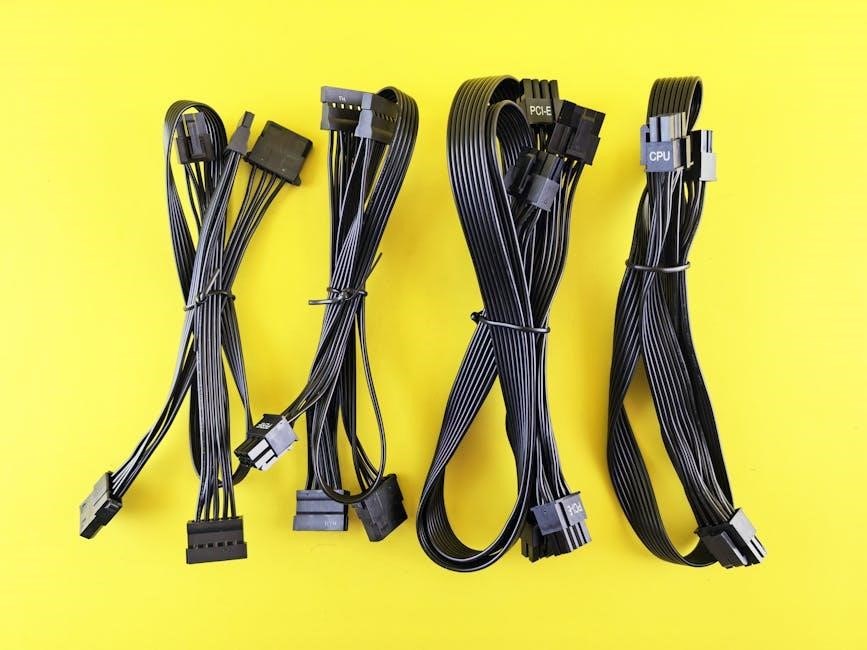
Internal routing often presents tight turns, complicated pathways, and difficulties with dropper post cables, frequently causing frustrating installation issues and potential creaking noises.
Tight Turns and Complicated Routing
Navigating cables internally around the bottom bracket often necessitates extremely tight bends, particularly when utilizing press-fit bottom bracket shells. These sharp angles can significantly increase friction, hindering smooth cable operation for both derailleurs and dropper posts. The Wheels Mfg. solutions, while addressing creaking, ironically complicate internal routing further, exacerbating these installation difficulties.
A 30mm spindle, like those found in SRAM AXS cranksets with English threaded BB shells, dramatically reduces available space within the bottom bracket area, making cable passage even more challenging. This limited space forces cables to take even sharper turns, potentially impacting performance; Successfully routing cables requires careful planning and often involves removing the bottom bracket entirely for access, adding to the complexity of the process.
Difficulty with Dropper Post Cables
Dropper post cable routing presents unique challenges due to the cable’s need to travel a significant distance and often requiring a full pass over the bottom bracket shell. This configuration frequently results in an exceptionally tight fit, demanding precise cable management. A common method involves routing the cable over the bottom bracket shell itself, within the frame, which can be particularly restrictive.
Furthermore, replacing or installing a new dropper post cable often necessitates complete bottom bracket removal, adding considerable labor and complexity. Internal routing, combined with tight bends, can lead to performance issues, hindering smooth and reliable dropper post operation. The tighter, more complicated routing paths, especially with limited space around the BB, contribute to these difficulties.
Potential for Creaking Sounds
Internal cable routing, while aesthetically pleasing and potentially aerodynamic, introduces a significant source of potential creaking sounds within the frame. Cables rubbing against the inside of the frame, the bottom bracket shell, or even other cables, can generate irritating noises during riding. This is particularly prevalent when routing cables through tight spaces or around the bottom bracket area.
The Wheels Mfg. solution, intended to address creaking, ironically can increase installation difficulty and contribute to performance issues. The tight bends and complicated routing required to accommodate this solution can exacerbate cable friction and amplify creaking. Ensuring proper cable tension and utilizing appropriate frame protection measures are crucial to minimize these unwanted sounds and maintain a quiet ride.
Wheels Mfg. Solutions and Routing Issues
Wheels Mfg. offers solutions aimed at mitigating creaking sounds often associated with internal cable routing, but their implementation isn’t without challenges. While intended as a “life-saving” fix, these solutions can significantly complicate the internal routing process, particularly within the bottom bracket area. Installation difficulties arise due to the tighter bends and more complex pathways required to accommodate the system.
Specifically, both internally routed dropper post cables and shifter cables experience increased friction and potential performance issues when utilizing Wheels Mfg. solutions. The limited space, especially with 30mm spindles (like SRAM AXS), further restricts routing options and exacerbates these problems. Careful consideration and precise installation are paramount to avoid creating new issues while attempting to resolve existing creaks.
Cable Routing Paths Around the Bottom Bracket
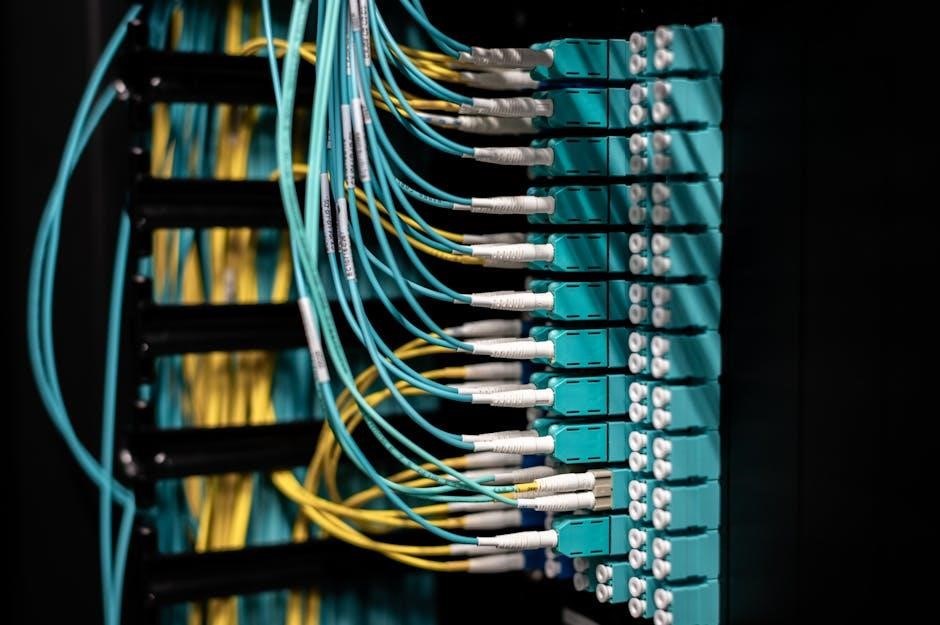
Cables can route over the BB shell or through the down tube near the BB; FEA analysis optimizes positioning, avoiding the down tube’s center.
Routing Cables Over the BB Shell
A common and often simpler method involves routing the dropper post cable directly over the bottom bracket shell, passing it through designated frame guides. This approach can be particularly advantageous when dealing with frames lacking fully integrated internal routing solutions. However, it frequently results in a very tight fit, potentially necessitating bottom bracket removal for new cable installations or replacements, especially if the previous cable is fully seated.
This external-over-the-shell routing can present challenges, particularly with complex cable bends and the potential for cable rub against the frame. Careful attention to cable management and the use of protective frame stickers are crucial to minimize noise and prevent frame damage. While seemingly straightforward, achieving a clean and secure routing path over the BB shell requires meticulous attention to detail and a good understanding of the frame’s specific cable routing provisions.
Routing Cables Through the Down Tube (Near BB)
Routing cables internally through the down tube, near the bottom bracket, offers a cleaner aesthetic and potentially improved aerodynamic performance. This method often involves guiding both rear brake and derailleur cables through the down tube, utilizing strategically placed ports near the BB shell. Finite Element Analysis (FEA) can pinpoint optimal cable positioning, ensuring safe passage away from the down tube’s center and avoiding interference with BB components.
However, this approach can be complicated by tight turns and limited space, especially with press-fit bottom brackets and larger 30mm spindles like those found on SRAM AXS cranksets. The Wheels Mfg. solutions, while addressing creaking, can further complicate internal routing. Careful consideration of cable routing paths and the use of appropriate tools are essential for successful installation and to avoid performance issues.
Utilizing FEA for Optimal Cable Positioning
Finite Element Analysis (FEA) plays a crucial role in modern bottom bracket cable routing, particularly when navigating the complexities of internal setups. By simulating stress and strain, FEA identifies the best positions for cables within the down tube and around the BB shell, minimizing potential friction, wear, and interference with rotating components.
Specifically, FEA scenarios highlight optimal routing along the front lines of the down tube and near the BB, ensuring cables materialize safely, avoiding the central area. This is vital when accommodating dropper post cables, which often require tight bends. FEA helps determine if sufficient space exists, especially with wider 30mm spindles, and informs decisions about external cable sections to maintain performance and reliability. Accurate FEA results lead to smoother cable runs and reduced creaking.
Components Affecting Cable Routing
Bottom bracket standards, dropper post compatibility, and integrated frame features significantly impact cable routing options, demanding careful consideration during installation.
Bottom Bracket Standards (Boost 148)
The adoption of Boost 148 rear wheel spacing has subtly altered cable routing considerations around the bottom bracket. While not a direct impediment, the wider hub flange spacing often necessitates a slight re-evaluation of cable paths to avoid interference with chainstays or the chainring.
Frames designed around Boost standards frequently incorporate more generous internal routing provisions, anticipating the need for wider tires and potentially more complex cable arrangements. However, the increased width can sometimes create tighter bends in cable runs, particularly when dealing with dropper post hoses or derailleur cables.
Careful attention must be paid to cable tension and routing angles to minimize friction and prevent creaking. The use of appropriate cable routing tools and a thorough understanding of the frame’s internal pathways are crucial for a successful installation. Furthermore, the presence of a 30mm spindle, common with SRAM AXS cranksets, can severely restrict available space within the BB shell, complicating routing even further.
Dropper Post Compatibility
Dropper post cable routing presents unique challenges due to the often-complex pathways required to connect the remote lever to the post itself. A common method involves passing the cable over the bottom bracket shell, which can result in an extremely tight fit, sometimes necessitating bottom bracket removal for installation or replacement.
Internal routing for dropper posts is particularly susceptible to performance issues if the cable bends are too sharp or the cable tension is improperly managed. The Wheels Mfg; solutions, while addressing creaking, can ironically increase routing difficulty. Frames with integrated cable routing aim to simplify this process, but even these can present obstacles.
Compatibility hinges on sufficient space within the BB shell and down tube. A 30mm spindle, like those found in SRAM AXS cranksets, significantly reduces available space. Careful planning and potentially the use of specialized routing tools are essential for a smooth and reliable dropper post setup.
Frame Features: Integrated Cable Routing
Modern bicycle frames increasingly feature integrated cable routing, designed to streamline aesthetics and potentially improve aerodynamic performance. These systems typically incorporate dedicated ports and channels within the frame, guiding cables internally through the down tube and around the bottom bracket area. However, integration doesn’t automatically equate to ease of installation.
While intended to simplify cable management, integrated systems can sometimes exacerbate routing difficulties, particularly with dropper post cables and complex drivetrain setups. The tighter bends and limited access points can make threading cables a frustrating process, and can contribute to creaking sounds if cables aren’t positioned correctly.
Frames advertised as “Dropper Post Ready” or boasting “Integrated Cable Routing” alongside “Boost 148” compatibility suggest a degree of consideration for modern component standards. However, careful assessment of the routing pathways and available space remains crucial before committing to a build.
Specific Bottom Bracket Components
Shimano BB-UN101 (73/123mm) and BB-MT500 Hollowtech II are common choices, but 30mm spindles significantly impact routing space availability.
Shimano BB-UN101 (73/123mm)
The Shimano BB-UN101, available in 73mm and 123mm spindle lengths, represents a traditional, threaded bottom bracket solution frequently found on many bicycle frames. Its simplicity and reliability make it a popular choice for riders prioritizing ease of installation and maintenance. However, when considering internal cable routing, the BB-UN101 presents certain limitations.
The relatively narrow internal space within the bottom bracket shell, particularly when combined with a larger diameter spindle, can restrict cable routing options. This is especially true when attempting to route dropper post cables or multiple cables simultaneously. Careful planning and potentially the use of specialized cable routing tools are often necessary to navigate the tight confines. Multiple listings for this component were observed, indicating its continued relevance.
While generally compatible with standard frame designs, the BB-UN101 may pose challenges in frames with highly integrated internal cable routing systems, where space is at a premium. It’s crucial to assess the available space and cable pathways before committing to this bottom bracket if internal routing is a priority.
Shimano BB-MT500 Hollowtech II (Threaded)
The Shimano BB-MT500 Hollowtech II is a threaded bottom bracket known for its durability and widespread compatibility, particularly with Shimano mountain bike cranksets. While offering a robust connection, its design presents unique considerations for internal cable routing. The Hollowtech II system features a hollow spindle, which, while reducing weight, doesn’t necessarily translate to increased space for cables within the bottom bracket shell.
Compared to older designs like the BB-UN101, the BB-MT500 may offer slightly more clearance, but tight turns and complicated routing can still be problematic, especially with dropper post cables. Installation difficulty and performance issues can arise if the routing isn’t carefully planned. The threaded interface ensures a secure fit, but doesn’t inherently address cable management challenges.
Frames designed for internal routing should be carefully evaluated to ensure sufficient space around the BB-MT500. Utilizing appropriate cable routing tools and potentially adjusting cable tension are crucial for a successful installation and to avoid creaking sounds.
Impact of 30mm Spindles on Routing Space
The increasing prevalence of 30mm spindles, particularly with SRAM AXS cranksets, significantly impacts internal cable routing possibilities. These larger spindles occupy a substantial portion of the bottom bracket shell’s internal volume, drastically reducing available space for routing cables, hoses, and wires. This is especially critical in frames designed for integrated cable management.
For English threaded BB shells, the limited space created by a 30mm spindle can make routing a disc hose or even a standard derailleur cable nearly impossible without external routing sections. The tighter confines exacerbate issues with cable bends and potential friction, potentially affecting shifting performance and durability.
Manufacturers and installers must carefully consider spindle size when planning cable routes. Utilizing optimized routing paths and high-quality cable housing are essential to mitigate the challenges posed by these larger spindles, ensuring smooth operation and minimizing the risk of creaking.

Tools and Techniques for BB Cable Installation
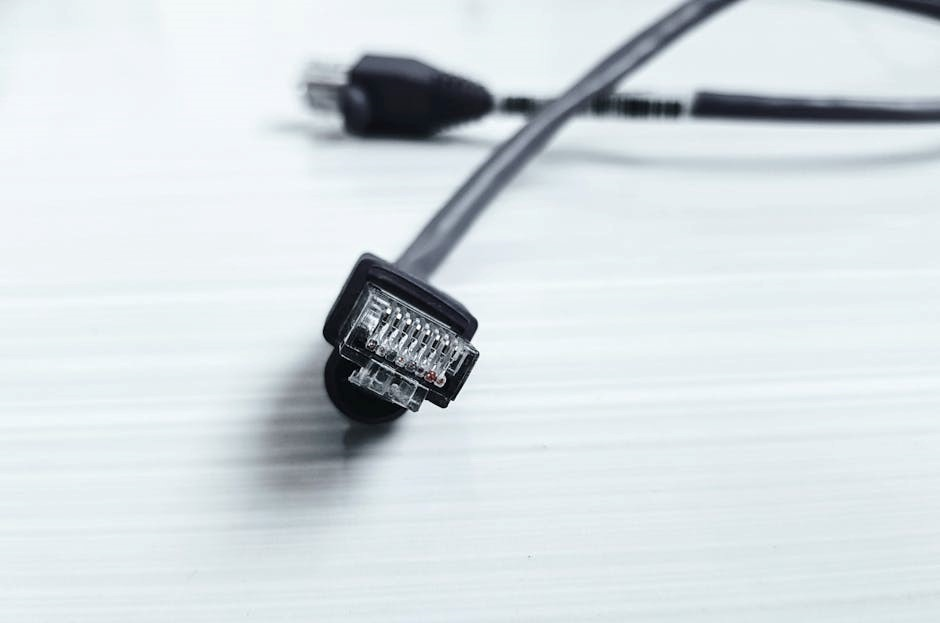
Essential tools include cable routing tools and BB removal tools. Proper cable tension management is crucial for optimal performance and preventing unwanted noises.
Cable Routing Tools
Specialized cable routing tools are invaluable when navigating the complexities of internal BB cable setups. These often include flexible magnetic guides, allowing cables to be “fished” through tight frame passages. For particularly challenging routes, consider utilizing long, flexible rods with rounded ends to gently push or pull cables through the frame’s internal channels.
Furthermore, a set of high-quality cable cutters and crimpers is essential for clean cuts and secure connections. When dealing with dropper post cables, specific tools designed for internal routing can significantly simplify the process. Remember that the Wheels Mfg. solutions, while addressing creaking, can complicate internal routing, necessitating even more precise tools and techniques. A small mirror and a bright flashlight are also incredibly helpful for visualizing the cable path inside the down tube and around the bottom bracket shell, ensuring a smooth and efficient installation.
Removing and Installing Bottom Brackets
Successfully routing cables often necessitates bottom bracket removal, especially with internally routed frames. For English threaded BB shells like the Shimano BB-UN101 (73/123mm), a specific BB tool is crucial; Press-fit BBs require different tools, often a specialized press to ensure a secure fit without damaging the frame.
Be mindful of spindle size; a 30mm SRAM AXS spindle significantly reduces routing space. When reinstalling, apply appropriate grease to the threads (threaded BBs) or the shell interface (press-fit) to prevent creaking. Carefully route cables before fully tightening the BB. Remember, the Wheels Mfg; solutions address creaks, but can make initial routing harder. Always consult the frame and BB manufacturer’s torque specifications to avoid damage. Proper installation is vital for long-term performance and preventing frustrating noises.
Managing Cable Tension
Optimal cable tension is paramount for smooth shifting and dropper post operation. Too little tension results in sluggish performance, while excessive tension can cause binding or premature wear. When routing cables around the bottom bracket, particularly through the down tube, minimize sharp bends which increase friction.
Internal routing often requires precise cable length; ensure sufficient slack for frame flex and handlebar movement. Pay close attention to dropper post cables, as tight turns near the BB can significantly impede function. Consider utilizing FEA analysis to identify optimal cable paths, reducing strain. Regularly inspect cable tension and adjust as needed. Remember, even a small amount of external cable can affect aerodynamics, though the impact is minimal. Proper tension contributes to a reliable and enjoyable riding experience.

Aerodynamic Considerations
In theory, a small section of externally routed cable might affect aerodynamics, but the impact is likely to be infinitesimal and negligible.
Minimal Aerodynamic Impact of External Routing
While seemingly counterintuitive, the aerodynamic penalty associated with briefly routing cables externally around the bottom bracket shell is generally considered to be extremely minimal. Modern frame designs and the relatively small frontal area of the cables contribute to this negligible effect. Computational Fluid Dynamics (CFD) analysis and wind tunnel testing consistently demonstrate that the disruption to airflow is insignificant compared to other factors influencing drag, such as rider position, wheel design, and overall frame shape.
The brief exposure of the cable to the airflow doesn’t create substantial turbulence or increase drag coefficients to a measurable degree. Therefore, prioritizing ease of installation, maintenance, and reliable shifting performance through external routing, when necessary, doesn’t come at a significant aerodynamic cost. This is particularly true for recreational riders and those not competing at the highest levels of cycling where marginal gains are paramount.
Future Trends in BB Cable Routing
Advancements in internal routing technology promise cleaner setups, reduced friction, and easier installation, potentially eliminating common issues like creaking and complicated routing paths.
Advancements in Internal Routing Technology
The future of BB cable routing leans heavily towards refined internal systems. Manufacturers are actively exploring new port designs and frame geometries to accommodate larger diameter cables, particularly those used with modern dropper posts and electronic shifting systems like SRAM AXS. Finite Element Analysis (FEA) plays a crucial role, optimizing cable pathways to minimize friction and potential stress points.
We’re seeing a shift towards more modular internal routing solutions, allowing for greater flexibility and easier serviceability. This includes integrated cable management systems within the frame itself, reducing reliance on external clamps and zip ties. Innovations also focus on minimizing the impact of tight bends, a common source of cable wear and performance degradation. The goal is to create systems that are not only aerodynamically efficient but also reliable and user-friendly, addressing the difficulties encountered with current press-fit BB setups and narrow spindle clearances.