Embark on a year‑long wilderness odyssey armed with Dr․ Nicole Apelian’s guide, blending forgotten skills with modern gear․ Learn sustainable hunting, trapping, and foraging to thrive, not merely survive, in remote landscapes where resilience meets ingenuity․ Harnessing nature’s rhythms, master firecraft water․!!
Purpose and Scope
Dr․ Nicole Apelian’s Wilderness Long‑Term Survival Guide is a comprehensive manual that bridges traditional survival knowledge with modern practicality․ It offers a step‑by‑step framework covering essential skills such as hunting, trapping, foraging, firecraft, shelter construction, water acquisition, navigation, and health management․ The scope extends beyond basic drills, emphasizing long‑term resilience, resource stewardship, and psychological adaptation to isolation․ By integrating proven techniques with contemporary tools, the guide equips readers to maintain self‑reliance, reduce dependence on external supplies, and thrive in diverse ecosystems․ It serves as both a reference handbook and a training curriculum, suitable for wilderness enthusiasts, educators, and emergency planners seeking to deepen preparedness for prolonged expeditions․ The book’s structure encourages critical thinking, problem‑solving, and continuous learning, ensuring users can adapt strategies to changing conditions and personal goals․ Ultimately, the guide’s mission is to empower readers to transform wilderness from a hostile environment into a viable, enriching home․
Key elements include a detailed inventory of gear, a systematic approach to building durable shelters, and reliable firecraft techniques․ The guide also explores water purification methods, food procurement strategies, and navigation fundamentals, all tailored for long‑term use․ Additionally it addresses health and first aid protocols, emphasizing disease prevention and long‑term wellness․ By presenting these topics in a cohesive narrative, the book fosters a holistic understanding of wilderness survival that transcends isolated skill sets․
Central to the guide is the revival of forgotten skills—fire‑starting by friction, natural shelter construction, and edible plant identification—connecting readers with ancestral knowledge and informing modern survival decisions․
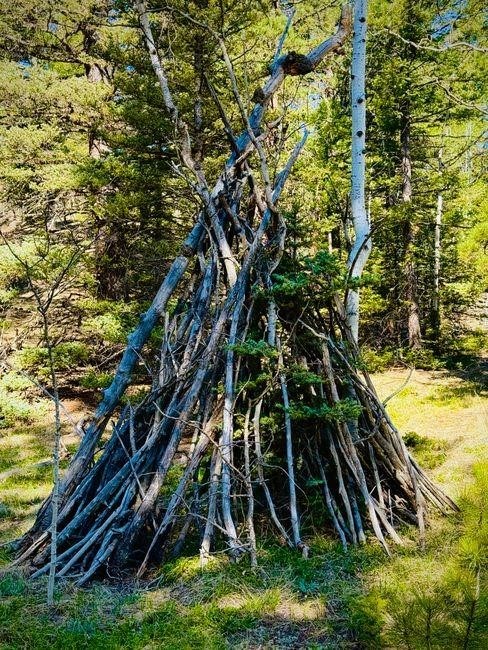
Holistic strategies prepare for wilderness․
Readers gain confidence to thrive in wilderness today․
Planning & Preparation
Planning is the cornerstone of long‑term wilderness survival․ Begin by assessing terrain, climate, and resources․ Draft a realistic itinerary, allocate supplies, and establish contingency plans․ Secure permits, notify contacts, and conduct a risk assessment to ensure readiness before departure․ Stay
Gear Selection and Packing Lists
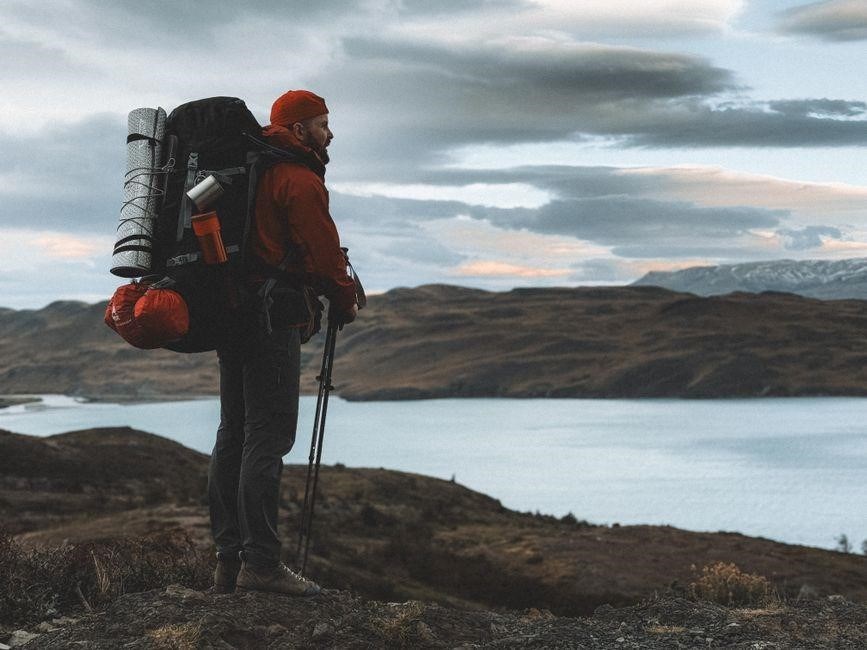
Choosing the right gear for a year‑long wilderness venture demands a balance between durability, weight, and versatility․ The Wilderness Long‑Term Survival Guide by Dr․ Nicole Apelian recommends a core kit that includes a high‑quality, lightweight survival bow, a 22‑caliber rifle for long‑range hunting, and a set of compact conibear traps․ These tools provide reliable protein sources while minimizing bulk․ A multi‑tool with a knife, saw, and pliers should replace separate items, and a durable, waterproof tarp can serve as both shelter and rain cover․ For firecraft, carry a ferrocerium rod, waterproof matches, and a small tinderbox; a wind‑proof firestarter is essential for cold climates․ Water purification is critical, so pack a portable filter, iodine tablets, and a collapsible water bladder․ Clothing should be layered: moisture‑wicking base layers, insulating mid‑layers, and a waterproof outer shell․ Footwear must be sturdy, broken‑in hiking boots with good ankle support and waterproofing․ Navigation gear includes a topographic map, a compass, a GPS unit with spare batteries, and a signal mirror․ First aid supplies should cover cuts, blisters, insect bites, and a basic emergency kit․ Finally, a lightweight, high‑capacity backpack with a frame and a day pack for short excursions completes the ensemble; Each item should be tested for reliability and compatibility with the others, ensuring that the pack remains manageable while providing all essential survival functions․ The gear list should be reviewed monthly to account for wear, environmental changes, and personal experience․ Adjustments may involve swapping out a heavy knife for a lighter alternative, adding a solar charger for electronics, or replacing a standard tarp with a more advanced, multi‑purpose canvas․ Regular drills of gear deployment, such as setting up a tarp shelter in wind, practicing bow shooting, and purifying water in various conditions, build muscle memory and confidence․ Maintaining a log of gear performance helps identify patterns in failures or successes, guiding future procurement decisions․ This iterative process ensures that the pack evolves in tandem with the adventurer’s growing expertise and the unpredictable demands of the wilderness environment․
Shelter & Fire
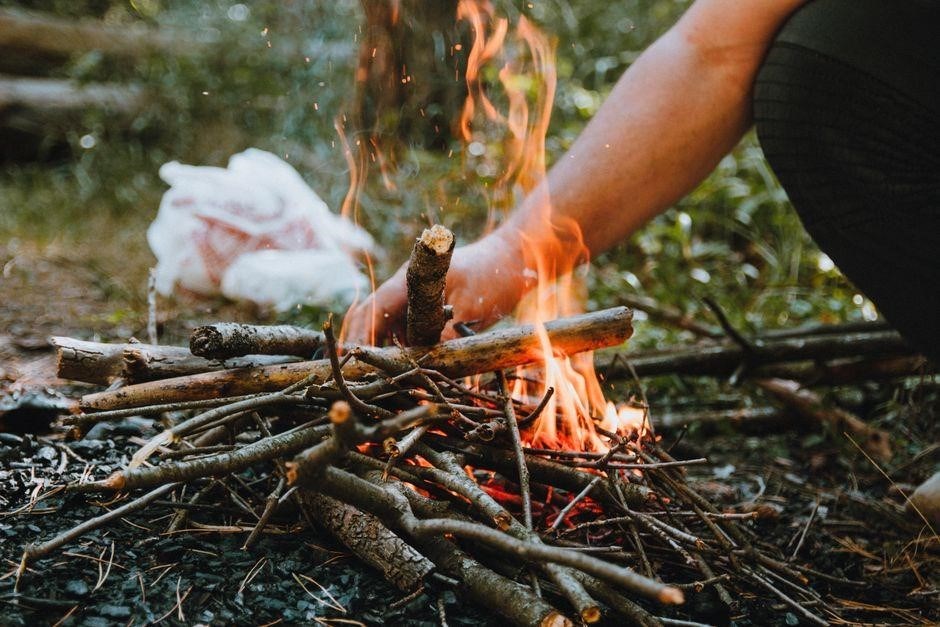
Build durable shelters with tarp and natural framing, using Dr․ Apelian’s techniques for wind‑resistant design․ Efficient firecraft relies on ferrocerium rods, tinder, and wind‑proof methods, ensuring reliable heat in all seasons․ Techniques use a wind‑break and layered tinder for cold․ Stay
Building Durable Shelters and Efficient Firecraft
In a long‑term wilderness scenario, shelter design must balance protection, resource availability, and maintenance․ The Wilderness Long‑Term Survival Guide emphasizes using natural framing—branches, poles, and sturdy roots—to create a wind‑break structure․ A lean‑to or A‑frame shelter, when anchored with a single central pole, offers maximum airflow while minimizing heat loss․ Layering insulation with moss, leaves, or packed soil keeps interior temperatures above freezing even during night drops․
Firecraft is the lifeline for warmth, cooking, and signaling․ Dr․ Apelian recommends a ferrocerium rod paired with a dry tinder bundle of cedar bark and birch twigs․ A wind‑proof fire pit, dug into a shallow depression and surrounded by a stone ring, protects the flame from gusts․ For extended periods, a double‑layered fire stack—small embers at the base and larger logs on top—maintains steady heat without excessive fuel consumption․
Both shelter and fire systems should be modular․ A removable tarp can be repurposed as a rain fly, and a pre‑built fire pit can double as a cooking station․ Regular inspection of structural joints and fire pit integrity prevents collapse and fire hazards․ By integrating these practices, a long‑term survivor can maintain a safe, comfortable base camp that withstands the elements and supports daily subsistence activities․
Finally, remember that long‑term survival hinges on adaptability; practice skills regularly, stay aware of changing conditions, and maintain resilience to thrive beyond horizon!․
Water Acquisition & Purification
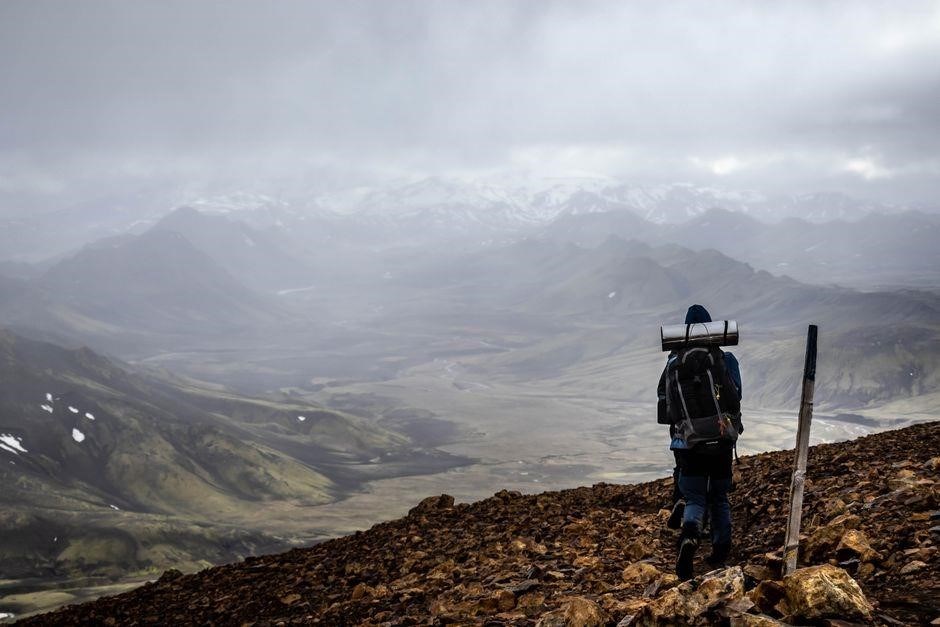
Secure water by locating streams, springs, or collecting rain․ Use a lightweight filter, then boil or add iodine tablets․ Store in sealed containers․ Monitor quality daily; treat cloudy or stagnant sources․ Sustainable sourcing ensures hydration for extended stays․ Always carry a spare filter and test water daily․!!
Safe Water Sources and Filtration Techniques
For a year‑long wilderness stay, secure clean water by locating perennial streams, springs, or mountain runoff․ Fast‑moving water is usually oxygenated and less contaminated․ Avoid stagnant pools, marshes, or algae‑rich bodies; treat them aggressively if unavoidable․
Rain capture supplements sources․ Set up a clean tarp over a container, using a first‑flush diverter to discard the initial runoff․ Store water in a sealed, food‑grade container and purge it before each use to keep it hygienic․
Use a multi‑stage filter: a coarse mesh removes debris, a charcoal stage reduces chlorine and taste, and a fine membrane (0․2 µm) eliminates bacteria, protozoa, and most viruses․ Lightweight units like Sawyer Squeeze or Lifestraw combine these stages for portability․
After filtering, add iodine tablets or chlorine dioxide drops; follow dosage and contact time instructions (30 min to 1 h)․ For high turbidity, pre‑filter or extend contact time․ UV purifiers (e․g․, SteriPEN) offer a chemical‑free option but need sunlight or battery power․
Maintain filters by rinsing or replacing cartridges as needed․ Store them dry and shaded․ Keep spare filters; a single failure can jeopardize your supply․ Combine source selection, rain capture, multi‑stage filtration, and chemical or UV treatment for a robust, sustainable water strategy that supports a year‑long adventure․ Always test water quality daily to detect changes in clarity or odor, ensuring safety throughout your expedition․
Food Procurement & Sustainability
Harvest diverse protein and plant sources: hunt deer, fish, trap rodents, and gather nuts, berries, roots․ Rotate crops in a permaculture plot, compost waste, and practice seed saving․ Use a lightweight, multi‑purpose bow and snares for sustainable yield․ Store surplus in containers, dry herbs, and preserve fishby smoking
Hunting, Trapping, and Foraging Strategies
In a long‑term wilderness scenario, a balanced approach to food procurement is essential․ Begin with a lightweight, high‑efficiency bow—preferably a composite recurve or a modern compound—paired with a 22‑caliber rifle for larger game․ The bow allows silent, close‑range kills of deer, elk, or smaller ungulates, while the rifle covers medium‑sized predators and provides a backup when the bow is out of range or conditions are harsh․
- Trapping: Deploy a variety of snares—loop, box, and pitfall—to capture rodents, rabbits, and even larger mammals․ Use natural cover and scent lures to increase success rates․ Rotate trap locations weekly to avoid depletion of local populations․
- Hunting: Employ stalking techniques, use camouflage, and track footprints․ Prioritize seasonal migrations and breeding cycles to maximize yield while minimizing ecological impact․ Use a bow for stealth and a rifle for precision when distance demands․
- Foraging: Identify high‑protein plants such as clover, dandelion greens, and wild beans․ Harvest nuts, berries, and roots, ensuring sustainable harvesting by leaving enough for wildlife and future growth․ Preserve by drying, smoking, or fermenting to extend shelf life․
Adopt a rotational strategy: hunt during peak seasons, trap when game density is high, and forage daily for supplemental nutrition․ Record each catch and forage event to monitor resource usage and prevent over‑exploitation․ This systematic, low‑impact approach ensures a steady food supply, supports long‑term health, and preserves the wilderness for future generations․
Additionally, incorporate a small, sustainable garden using heirloom seeds․ Rotate crops, use companion planting, and mulch to retain moisture․ This garden provides a reliable source of fresh vegetables and herbs, reducing reliance on foraged items․ A lightweight, multi‑purpose knife is indispensable for processing meat and cutting plant material, while a collapsible fish trap can be set in streams to catch trout or small fish during the warmer months․
For cooking, use a small, collapsible fire pit and a lightweight, multi‑purpose stove․ Smoke meats over cedar or pine for flavor and preservation․ Store food in airtight containers or sealable bags to protect against insects and moisture․ A solar still can provide additional drinking water, while a small solar panel can power a low‑power radio for emergency communication․
Navigation & Signaling
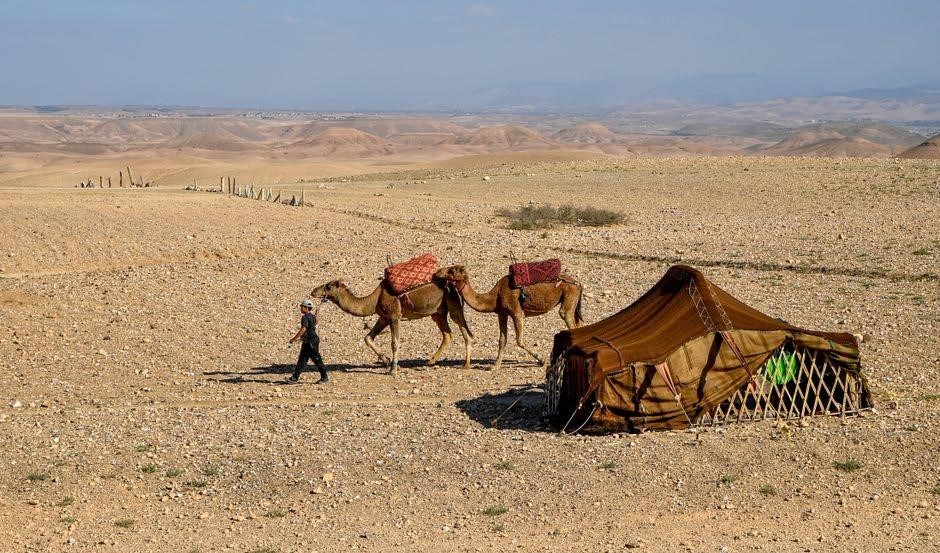
Master celestial navigation, use a compact compass, and track landmarks․ Build a signal fire with dry tinder, create SOS flags, and employ reflective gear․ Record GPS coordinates, maintain a logbook, and practice emergency beacon use․ Keep a reflective tarp for night visibility․!!!?
Orientation, Weather Prediction, and Rescue Signaling
Reliable orientation in long‑term wilderness survival blends celestial cues, natural landmarks, and a compact magnetic compass․ The sun’s arc, star patterns, and moss growth direction on trees give low‑tech bearings when electronics fail․ A high‑contrast, waterproof compass calibrated to local declination should be stored in a pouch near the waist for quick access․ Pair it with a simple map of the region, annotated with ridgelines, watercourses, and known shelters․ A daily “waypoint” log—recording distances, bearings, and environmental observations—helps maintain a mental map and prevents disorientation over extended periods․ Weather prediction is equally critical; observing cloud color, wind direction, temperature gradients, and dew on grass allows anticipation of short‑term changes․ The “cloud‑color” rule—blue or white clouds suggest clear skies, gray or black indicate impending rain—guides daily activity planning․ A portable weather radio, if available, offers real‑time updates, but even without it, local fauna behavior and distant thunder can signal an approaching storm․ Maintaining a weather journal with barometric pressure, humidity, and wind speed enables trend analysis for safer route selection․ Rescue signaling must be prepared in advance․ Store a high‑visibility tarp, reflective band, or a pre‑cut “SOS” flag in a waterproof bag․ In daylight, use a whistle, flare, or a large, brightly colored signal fire to attract attention․ At night, a beacon—such as a headlamp with a red flash or a signal mirror—can reflect sunlight toward aircraft or distant observers․ A simple “signal line” of bright fabric or a series of fire‑pits arranged in a V‑shape serves as a visual cue for search parties․ Regularly test these signals in various conditions to ensure reliability when rescue arrives today!!
Health & First Aid
Prioritize hygiene, wound care, and disease prevention․ Use sterile gauze, antiseptic, and a multi‑purpose bandage kit․ Treat blisters, cuts, and insect bites promptly․ Monitor hydration, nutrition, and mental health to sustain long‑term resilience․ Keep a manual and splint kit now․ OK
Treating Injuries, Preventing Disease, and Long-Term Wellness
In a year‑long wilderness venture, the first line of defense is a well‑equipped first‑aid kit that balances portability with versatility․ Begin with sterile gauze, adhesive bandages, and a small supply of antiseptic wipes or alcohol․ For deeper wounds, include a clean, small‑size tourniquet, a set of elastic bandages, and a basic splint kit․ A multi‑purpose adhesive tape can secure splints and hold gauze in place․ Keep a small bottle of hydrocortisone cream for insect bites and a mild analgesic for pain relief․ A compact, lightweight emergency blanket is essential for hypothermia prevention and can double as a makeshift shelter in sudden weather changes․
Injury treatment should follow a systematic approach: assess the situation, control bleeding with direct pressure or a tourniquet if necessary, clean the wound with sterile saline or clean water, apply antiseptic, and cover with gauze and a bandage․ For fractures, use a rigid splint and immobilize the limb․ Keep an eye on signs of infection—redness, swelling, or pus—and be prepared to administer antibiotics if you have a supply or can identify a local source of medicinal plants․ Regularly rotate bandages to prevent skin maceration and maintain hygiene by washing hands with a small amount of soap and water before any procedure․
Preventing disease in a prolonged stay hinges on water safety, nutrition, and environmental awareness․ Treat all water with a combination of filtration and chemical purification—use a portable filter followed by iodine tablets or a UV purifier․ Store water in clean, sealed containers and rotate stock to avoid bacterial growth․ Maintain a balanced diet rich in protein, carbohydrates, and essential micronutrients by hunting, trapping, and foraging․ Identify edible plants, nuts, and berries, and learn to prepare them safely to avoid foodborne illnesses․ Keep a detailed log of food sources and any adverse reactions to detect patterns early․
Long‑term wellness extends beyond physical health to include mental resilience․ Establish a routine that incorporates regular physical activity, such as hiking or carrying supplies, to maintain strength and stamina․ Schedule rest periods and practice mindfulness or breathing exercises to manage stress․ Stay connected to a broader network—maintain a signal plan, use reflective surfaces for signaling, and keep a log of weather patterns to anticipate changes․ By integrating disciplined first‑aid practices, rigorous disease prevention, and holistic wellness strategies, you create a sustainable framework that supports survival and thriving in the wilderness for extended periods․